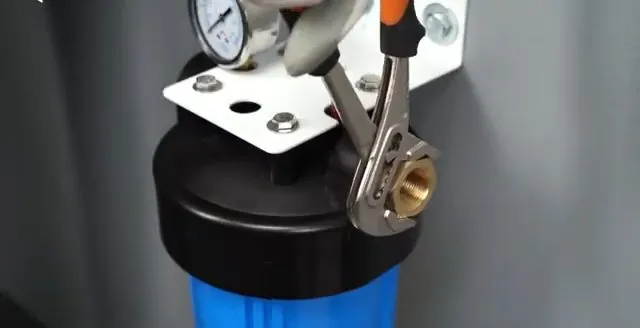
Water Softener Repair and Filtration in Huachuca City: Hard Water Spots, Scale Buildup and Drinking Water Filters
White crust on faucets, spotted glasses, a water heater that runs loud and soap that will not lather are the signs most people see first. Before buying a system, find out what is actually in the water. Call (520) 340-7175, describe the symptom or the softener problem and a plumber who serves your area is sent the details.
- Softener repair, service and installation
- Whole-house and under-sink filtration
- Reverse osmosis drinking water systems
- Licensed and insured plumbers
- Same-day service when available
- 24/7 emergency dispatch
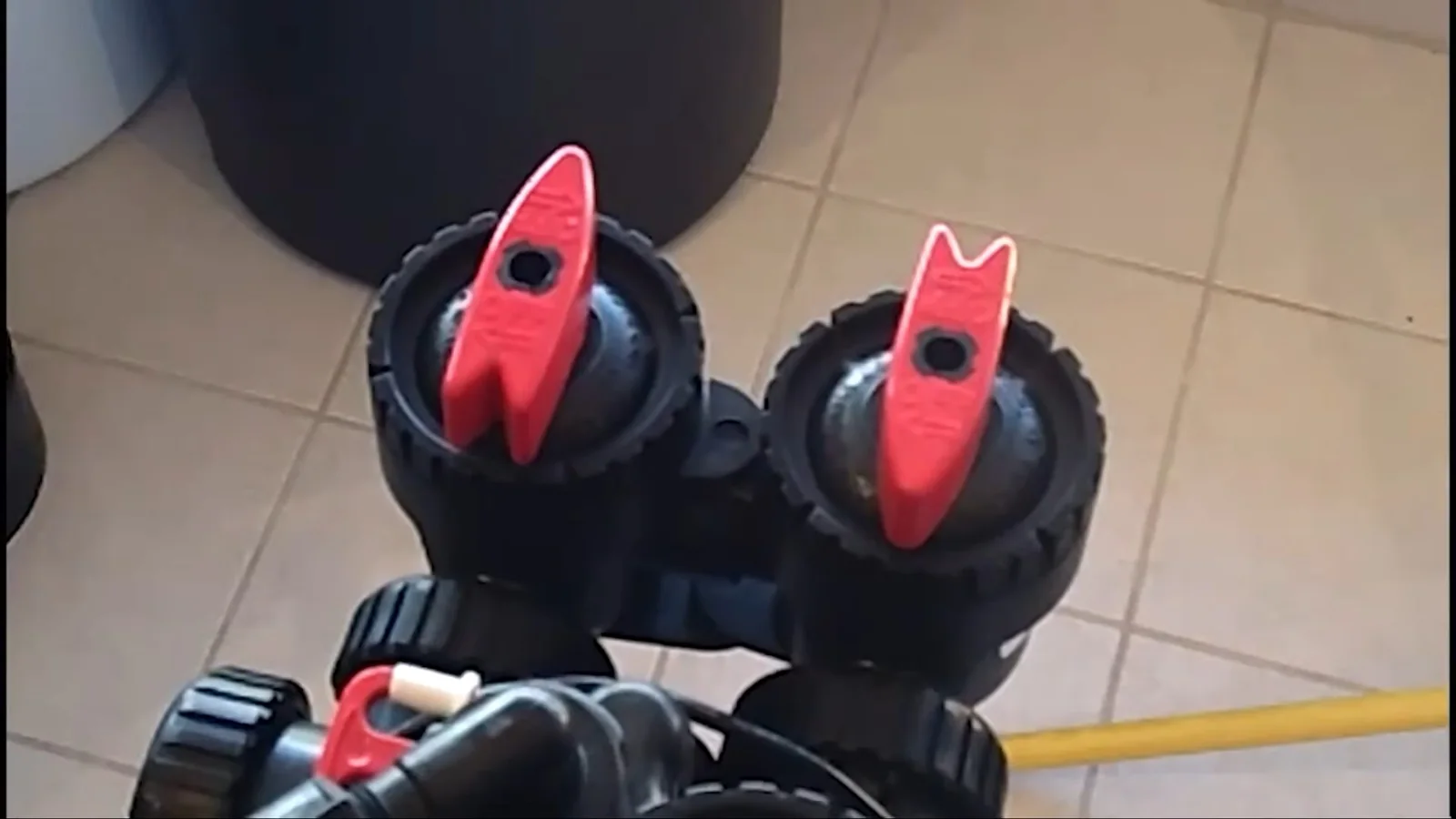
Signs of hard water and how to test for it
Hard water carries dissolved calcium and magnesium. They leave scale on fixtures, inside pipes and on the heating parts of a water heater. The signs build slowly, which is why they are easy to put up with.
- White or chalky crust around faucets, showerheads and the base of the tub.
- Spotted dishes and glasses, even after a full dishwasher cycle.
- Dry skin and hair, with soap that is slow to lather.
- A water heater that pops and rumbles or takes longer to heat.
- Weak flow from showerheads and aerators that clog with grit.
Testing is simple. A home test strip gives a rough hardness reading in a minute. A lab or a dealer test gives a firmer number. Neither water provider's latest annual report lists hardness, and both draw on groundwater, so measure your own tap instead of guessing.
Sources: Town of Huachuca City 2023 consumer confidence report; Arizona Water Company Sierra Vista 2023 water quality report. Checked 2026-11-06.
Softening, conditioning and filtering are three different jobs
Water treatment covers more than one thing, and the right system depends on what you want to fix. A softener removes the minerals that cause scale. A filter removes particles, chlorine taste or other contaminants. A reverse osmosis system cleans drinking water at one tap.
| System | What it does | Where it goes |
|---|---|---|
| Salt-based softener | Removes hardness minerals through ion exchange | At the main line, treating the whole house |
| Whole-house filter | Catches sediment and can reduce chlorine taste | At the main line |
| Under-sink filter | Improves taste and reduces some contaminants | Under the kitchen sink |
| Reverse osmosis | Removes most dissolved solids from drinking water | Under the sink with a dedicated faucet |
Conditioners that claim to reduce scale without salt exist, but results vary, and a hardness test before and after is the way to judge them. Ask any seller for the claim in writing.
Scale on everything? Call a plumber.
Tell the dispatcher what you see and what you have installed. The call goes to a plumber serving your area.
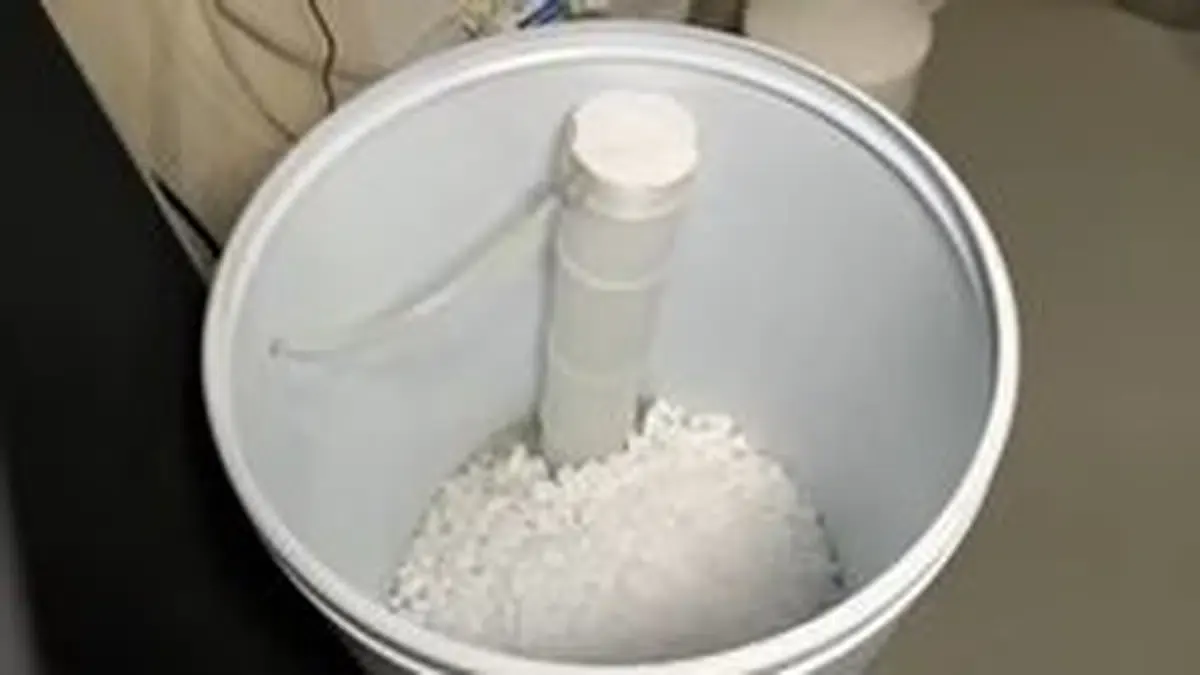
Softener repair and service: valves, resin and brine tanks
A softener that stops softening is usually blocked, out of salt or running on the wrong schedule. The resin bed lasts for years, but the control valve, the brine line and the injector are common failure points.
- Check that there is salt in the brine tank and no hard crust bridge.
- Confirm the unit is plugged in and the clock is right.
- Look at the bypass valve position.
- Listen for a regeneration cycle and watch where the drain line discharges.
Salt, brine and regeneration matter at the drain. Regeneration sends salty water out the drain line, which is fine for a public sewer. If the property uses a septic system, ask the plumber how the brine discharge is handled. Many rural properties around Elgin and Sonoita use wells and septic systems, so the question is real there.
Installing a softener, a whole-house filter or a drinking water filter
Installation puts treatment at the right place on the water line. A whole-house softener or filter goes on the main supply after the shutoff and before the water heater, with a bypass so the house can run while it is serviced. A drinking water filter or reverse osmosis unit goes under a sink.
- Test and chooseThe hardness reading and household size set the capacity of the unit.
- Pick the locationA level spot near the main line, a drain and an outlet.
- Plumb and connectThe unit goes in with a bypass and a drain line with an air gap.
- Start up and setThe unit is programmed, regenerated once and tested for hardness at a tap.
A softener changes the water that feeds heaters and appliances, which can extend their life. The heater repair page explains what scale does to a tank.
Whole-house filtration: what it catches and what it does not
A whole-house filter treats the water before it reaches any tap, shower or appliance. Sediment cartridges catch sand, rust and grit. Carbon cartridges reduce chlorine taste and odor. Neither one softens water, so a house with scale usually needs a softener as well.
Cartridges need regular changes. A clogged cartridge drops pressure across the whole house, and the first sign is a shower that weakens. Write the install date on the housing and set a reminder for the next change.
Filters that promise to remove everything do not exist. Ask which contaminants a cartridge is rated for and what the rating test was, then match it to a specific concern from your water report.
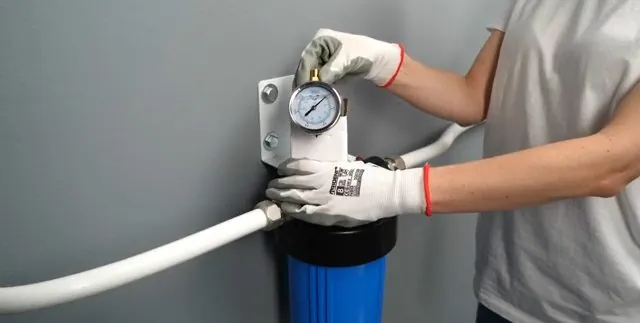
Salt, brine and regeneration: how a softener cleans itself
A softener holds a bed of resin beads that trap hardness minerals. When the beads fill up, the unit regenerates: it floods them with brine, flushes the minerals down the drain and rinses. That is why a softener needs salt and a drain.
- Keep the brine tank at least a quarter full of salt.
- Break up any crust that forms on top of the salt.
- Use the salt type the manufacturer recommends.
- Expect the unit to regenerate at night on a timer or by the meter.
A unit that regenerates too often wastes salt and water. One that regenerates too rarely lets hard water through. A plumber can set the timing to the household size and the measured hardness.
Softener leaking or not softening? Call now.
Same-day service is offered when available. Describe the unit and the problem.
Reverse osmosis and under-sink filters for drinking water
Under-sink filters are the simple option. They improve taste and remove some contaminants, and the cartridges are changed every six to twelve months. Reverse osmosis is a step further, pushing water through a membrane that removes most dissolved solids. It comes with a small storage tank and its own faucet.
Both need cartridge changes on time. A filter that is left too long stops working and can grow bacteria. Reverse osmosis units also waste some water as they run, so ask the plumber how much.
Read the latest annual report from your water provider before deciding what to filter. The reports for this area describe groundwater sources and list tested contaminants, and they are the right starting point for deciding whether you want a filter for taste or for a specific concern.
Water softener and filter questions answered first
Call (520) 340-7175How do I replace or reinstall a water softener valve?
Work through this list: 1. Put the softener into bypass or close the main. 2. Release pressure at a tap. 3. Disconnect the lines and note their positions. 4. Remove the old valve from the tank. 5. Set the new valve and reconnect.
One caution: a valve that is cross-threaded or over-tightened leaks. A plumber can do this quickly and test it.
We see white spots and scale. How do we confirm the water is hard?
Picture a bathroom where the faucet base grows a white crust within weeks and the glass door clouds after each shower. That points to hardness.
A test strip or a water lab gives the number. The utility reports for the Town of Huachuca City and Sierra Vista leave hardness out, so test at your own tap.
My softener is overflowing and the fridge line valve leaks. What is urgent and what can wait?
Do now: put the softener on bypass or close the main supply, unplug the softener and mop the area. Close the small valve behind the fridge.
Can wait: replacing the valve or the float. Both need parts, so book a visit once the water is stopped.
Why is my water still hard after I installed a softener or conditioner?
You see scale returning, then you look at the unit. Common causes are empty salt, a bridged salt tank, a stuck valve or a conditioner that never removed hardness in the first place.
A hardness test at a tap with the unit running tells which it is. If the test is hard, a plumber can check the valve, the resin and the bypass.
I dropped something into the brine well of my softener. Should I fish it out?
Choose to leave it alone if it is small and sits in the salt. Choose to have it removed if it is metal, sharp or blocking the float, because a blocked float can cause an overflow.
Unplug the unit and keep your hand out of the well. A plumber can retrieve it safely.
Hard water or a softener problem? Call now.
Describe the symptom and the dispatcher routes the call to a plumber serving your area. Same-day service is offered when available.
- Licensed and insured plumbers
- Same-day service when available
- 24/7 emergency dispatch