Gas Line Repair in Huachuca City: Gas Smells, New Appliance Hookups and Worn Gas Piping
If you smell gas right now, do not call from inside the house. Leave, then call the gas utility or 911 from outside. When the smell is gone or the question is about a new hookup, a worn pipe or a failed pressure test, call (520) 340-7175 and the dispatcher sends the details to a plumber serving your area.
- Gas leak repair after the utility makes it safe
- New gas lines for ranges, dryers, fireplaces and grills
- Pressure tests and pipe replacement
- Licensed and insured plumbers
- Same-day service when available
- 24/7 emergency dispatch
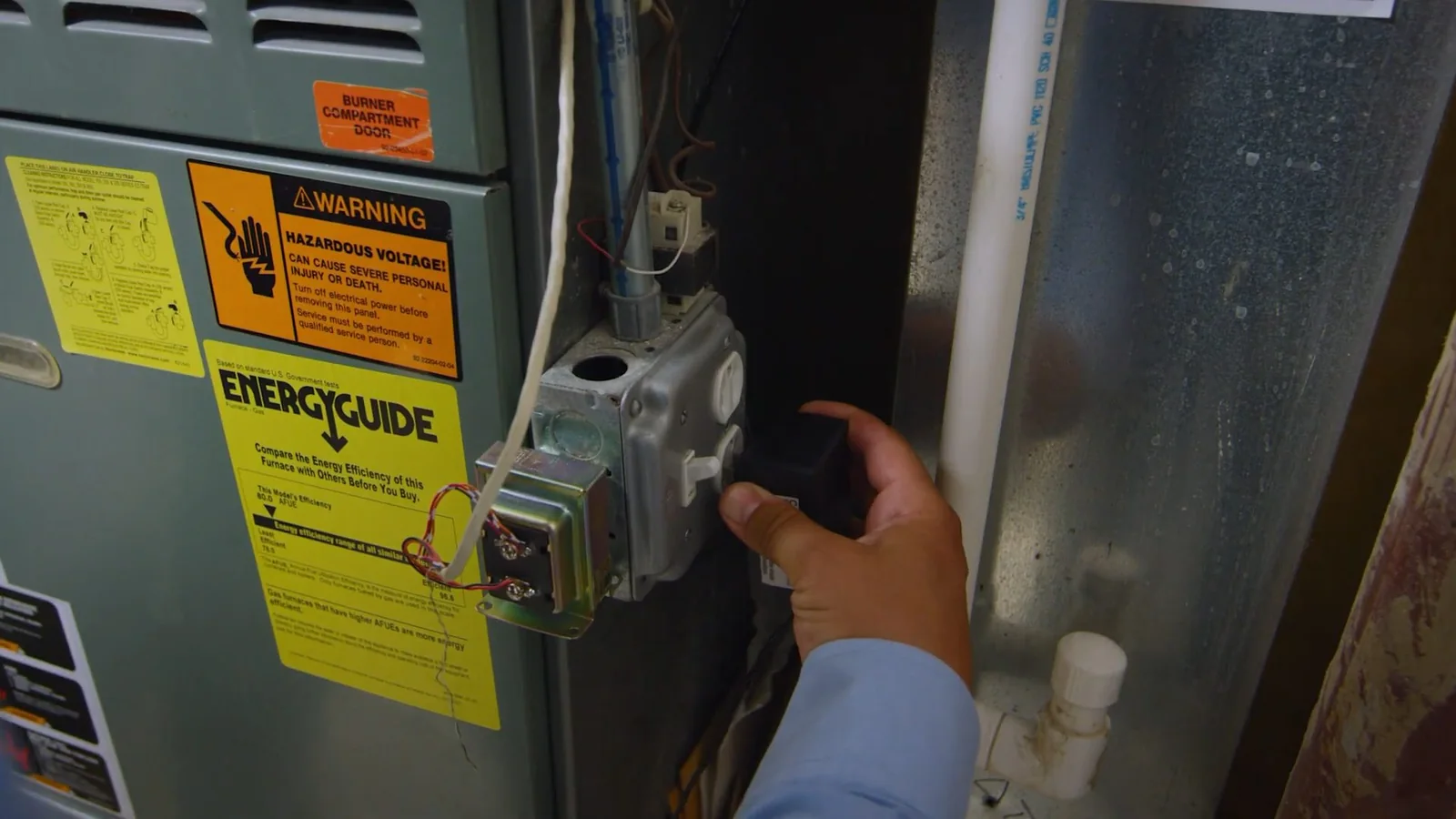
If you smell gas: the first five minutes
Do not use switches, lighters, phones or garage door openers inside. Leave the building, keep others away and call the gas utility or 911 from a safe distance.
- Leave the houseTake everyone, including pets, and move upwind and away from the building.
- Call from outsideCall the gas utility emergency line or 911. The utility can shut off the supply at the meter.
- Do not returnWait until the utility or fire department says it is safe.
- Call a plumber for the repairAfter the area is cleared, a plumber finds and repairs the leak and tests the line before gas is restored.
Southwest Gas runs an operations center in Sierra Vista that serves gas customers in the area and surrounding communities. If your house uses propane from a tank instead, the propane supplier is the first call. Emergency gas line repair is answered at any hour, and a same-day visit is offered when available.
Source: Southwest Gas news release on the Sierra Vista Operations Center, swgas.com. Checked 2026-11-06.
Gas line repair: finding and fixing a leak
Gas leaks come from threaded joints, corroded pipe, damaged flexible connectors and flex lines that were nicked during other work. A plumber locates a leak with a gas detector and a soap solution, shuts off the section and repairs or replaces it.
Gas repair is never a patch with tape or putty. The failed fitting or section is replaced with approved materials, and the line is pressure tested before gas goes back on. Ask to see the test reading and the date.
Signs of a gas leak are easy to miss, so know them:
- A rotten egg smell at an appliance, a meter or a pipe.
- A hissing sound near a gas line.
- Dead plants over a buried line.
- A pilot that keeps going out or a yellow flame on a burner.
Water heaters are the most common gas appliance, and their gas connections are checked during any replacement. The replacement page covers that side.
Need a gas line fixed or added? Call a plumber.
Tell the dispatcher what the line serves and what you noticed. The call goes to a plumber serving your area.
Installing a new gas line
A new gas line runs from the meter or the existing house piping to the appliance. The plumber sizes the pipe for the total load of every appliance on the line, routes it, supports it and tests it before the final connection.
Typical appliance hookups include ranges, cooktops, clothes dryers, fireplaces, outdoor grills and standby generators. Each has its own supply size and shutoff, and a new appliance on an old line can overload it.
Propane systems use their own pressure and regulators. The plumber confirms whether the line is for natural gas or propane before any connection, since the two are not interchangeable without conversion parts.
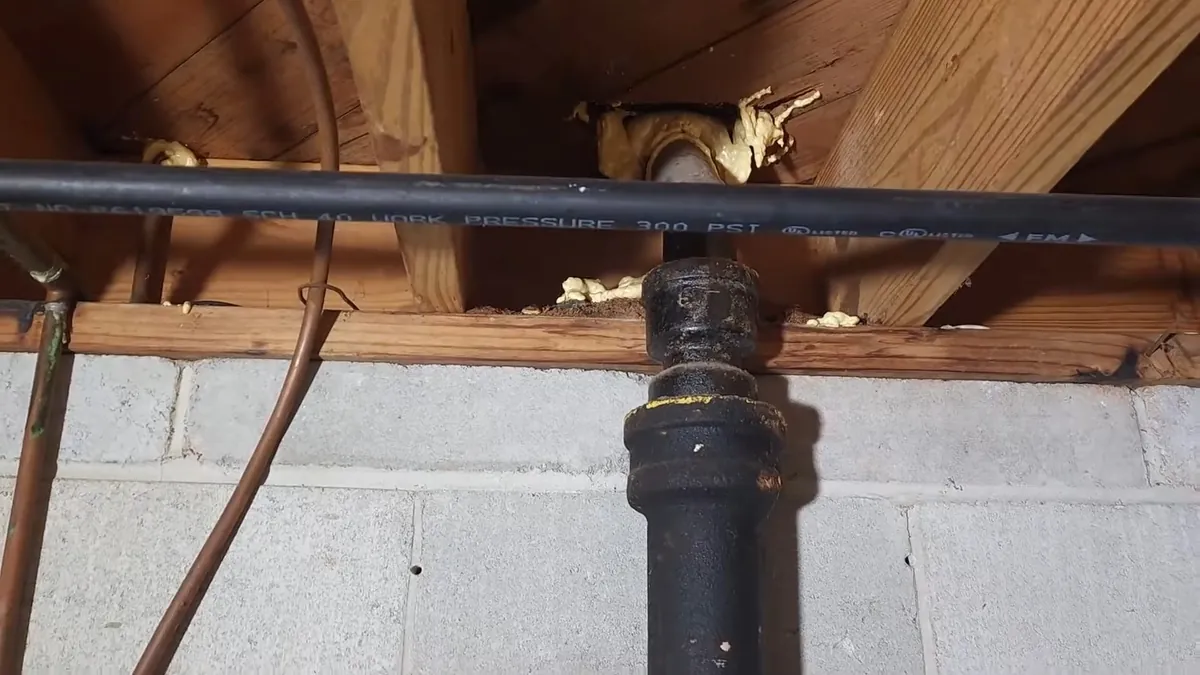
Black iron, CSST and when to replace gas pipe
Black iron is the traditional rigid gas pipe. CSST is flexible stainless tubing that is quick to run and that must be bonded and grounded according to the manufacturer. Each has its place, and a house may have both.
| Pipe | Strength | Watch for |
|---|---|---|
| Black iron | Rigid, long-lived and well understood | Corrosion at threaded joints and exposed outdoor runs |
| CSST | Flexible, quick to install in tight routes | Needs proper bonding and protection from impact |
| Flexible appliance connector | Short link to the appliance | Age, kinks and corrosion at the ends |
Replace a gas pipe when it shows rust, scaling or kinks, when the house is being remodeled and a run is in the way, or when an inspection fails. A plumber looks at the full length where it can be reached.
Appliance hookups: range, dryer, fireplace, grill and generator
Each appliance asks something different of the gas line. A range needs a steady, modest flow. A dryer sits on a short branch. A fireplace needs a shutoff at the right place and a safe key valve. A grill or a standby generator may use a stub outside, with weather protection on the fittings.
Range or cooktop
A shutoff within reach, a flexible connector in good shape and a tested joint behind the unit.
Dryer
A short branch with a shutoff valve and no sharp kinks in the connector.
Fireplace and logs
A key valve or a wall switch location agreed before walls are closed.
Grill or generator
An outdoor stub with a shutoff, protected from the weather and clear of windows.
Before the visit, know the appliance model and the gas type it uses. Ask the plumber to confirm the line can carry the added load without starving the water heater or the furnace. Clear access behind the appliance saves time, and a tight space can change the route.
Gas safety checks worth asking for
A gas inspection is a short visit with a long reach. The plumber checks visible piping for corrosion and support, tests joints at appliances with a detector or solution and looks at flexible connectors for age and kinks.
- Ask for every appliance shutoff to be located and labelled.
- Replace flexible connectors on old appliances rather than reuse them.
- Keep storage away from a gas water heater or furnace.
- Install a gas detector near appliances if the house has none.
If a pilot light keeps going out or a burner flame turns yellow, the appliance is telling you something. Call a plumber to look at the gas side, and leave the appliance off until it has been checked.
Gas line work with a deadline? Call now.
Same-day service is offered when available. If you smell gas, leave first and call the utility from outside.
Permits, inspection and pressure testing
Larger gas work usually needs a permit and an inspection. In Sierra Vista, Community Development handles permits for larger gas work. Huachuca City homeowners should ask the Town which office applies, and Elgin or Sonoita homeowners should ask Santa Cruz County.
A pressure test holds air or gas in the line at a set pressure for a set time while a gauge is watched. A drop in the gauge means a leak. The plumber should show you the reading, and the inspector may require to see it too.
Gas line sizing also affects tankless water heaters, which pull more gas than tank models. The tankless water heater page covers that. For emergency dispatch details, see the homepage.
Sources: City of Sierra Vista Community Development; Santa Cruz County Community Development. Checked 2026-11-06.
Gas line questions answered before the visit
Call (520) 340-7175Should I choose black iron or flexible CSST for a new gas line?
Choose black iron for long straight runs, outdoor sections and places where strength matters. Choose CSST when the route has many turns or goes through finished walls where rigid pipe would mean demolition.
CSST must be bonded and grounded to the manufacturer rules. Ask the plumber which they recommend for your route and why.
Who installs gas lines?
A licensed and insured plumber installs and tests residential gas lines, and the work often needs a permit and an inspection.
What should I do if I smell gas?
Follow this checklist: 1. Do not touch switches or phones inside. 2. Get everyone out. 3. Call the gas utility or 911 from a safe distance. 4. Stay out until cleared. 5. Call a plumber afterward for the repair.
One caution: do not go back in to shut off an appliance or check the meter. The utility does that.
Gas line problem or new hookup? Call now.
Describe the appliance or the smell and the dispatcher routes the call to a plumber serving your area. Same-day service is offered when available.
- Licensed and insured plumbers
- Same-day service when available
- 24/7 emergency dispatch