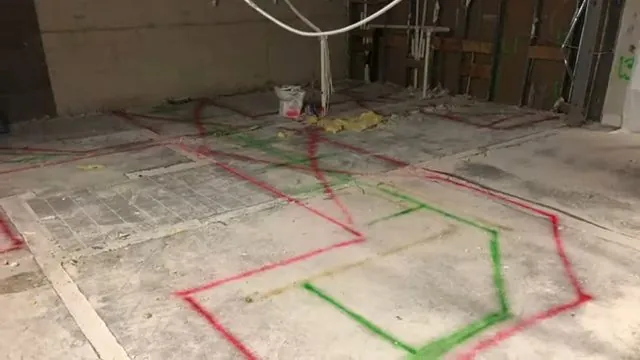
Emergency Slab Leak Repair in Huachuca City: Warm Floors, a Running Meter and Water You Cannot See
A floor that feels warm under bare feet, a water meter that keeps turning with every tap shut or a hum from the wall when the house is quiet can all point to a pipe leaking under the concrete. Slab leaks do not drip into a bucket. Call (520) 340-7175, say what you are seeing and a dispatcher passes the details to a plumber who covers your address.
- Slab leak detection without guessing
- Repair options explained before work starts
- Emergency calls taken around the clock
- Licensed and insured plumbers
- Same-day service when available
- 24/7 emergency dispatch
Warm floors, a hum in the wall and a meter that will not stop
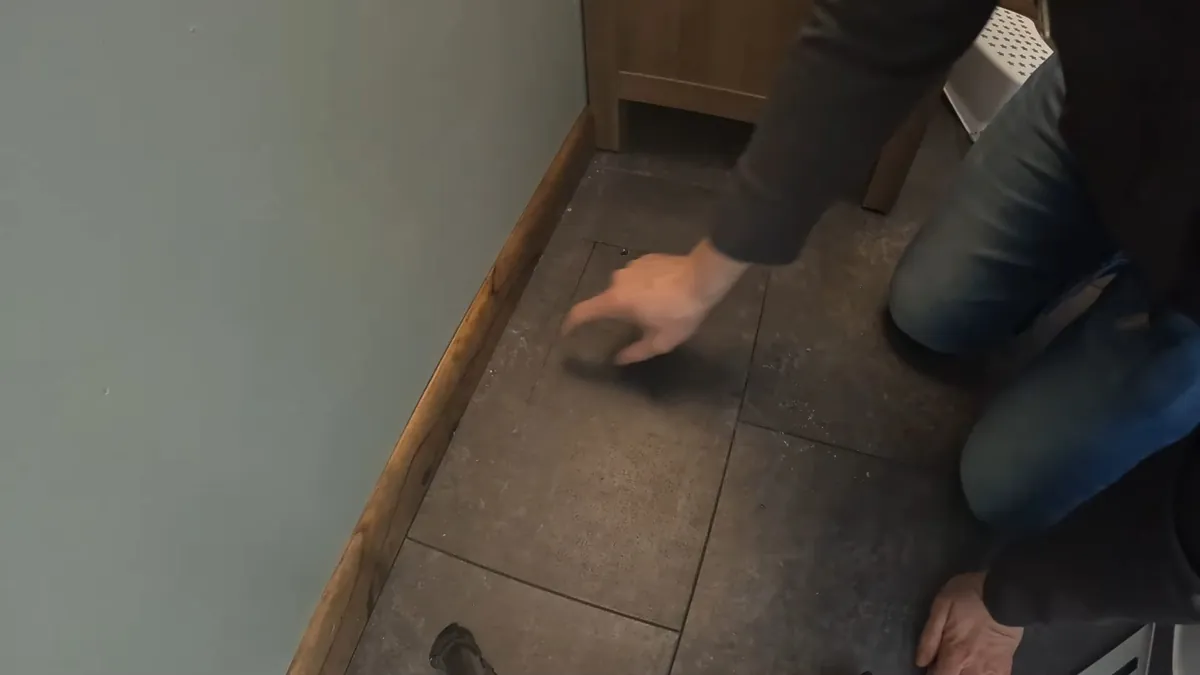
Slab leaks announce themselves in small ways first. A water line under the concrete is often a hot water line, so the earliest clue can be a patch of floor that stays warm, or a water heater that runs far more than it used to. Because the pipe is buried, there is no drip to follow.
- A warm or hot spot on tile, wood or carpet that does not match the sun or the heating.
- The sound of running water, or a faint hiss, when every fixture is off.
- A water bill that climbs without any change in how many people live in the house.
- Damp carpet, lifted flooring or grout lines that look wet along one stretch.
- Low water pressure at several fixtures, or a dial on the meter that moves while nothing runs.
Close every fixture, read the meter, wait half an hour and read it again. A changed reading means water is escaping. If the floor is wet and warm, close the main shutoff and call. Do not run a hot water tap to see whether the sound changes.
None of these signs proves a slab leak on its own. Each one can come from a failing fixture, a leaking toilet or a pipe in a wall. That is why the next step is to confirm the leak and its location, not to start cutting.
How do you find a slab leak without breaking up the floor?
Slab leak detection works by shrinking the search area before any concrete is opened. Most visits follow the same order.
- Isolate the lineEach branch of the supply is shut off in turn and pressure is watched, so the leaking section is separated from the rest of the house.
- Listen on the slabAcoustic equipment picks up the sound of pressurized water escaping, and the loudest point is marked.
- Confirm with heat or a second methodThermal imaging can show a warm path on a floor. A second method on the same spot guards against a wrong mark.
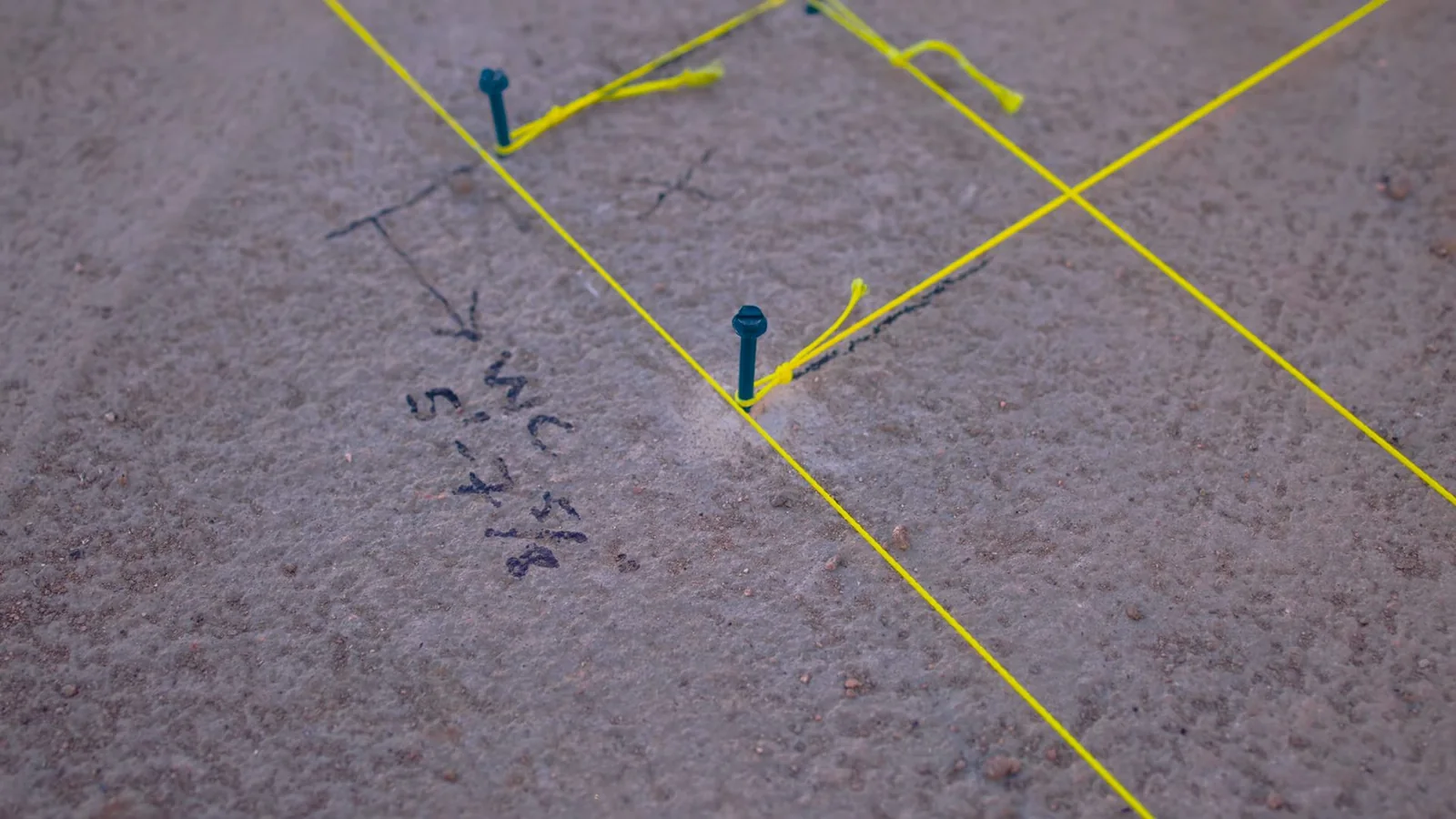
- Mark the spot and show youThe mark goes on the floor with a note of the pipe it sits over, so you see what is proposed before any cut.
Finding the leak is separate from fixing it. Getting the location confirmed first is useful when you need an estimate or an insurance record. A general overview of the same tools is on the hidden leak detection page.
Think there is a leak under the floor? Call a plumber.
Tell the dispatcher what the meter shows and where the floor feels warm. The call goes to a plumber serving your area.
Slab leak repair in Huachuca City: tunnel, reroute or epoxy
Once the leak is located, the repair choice depends on where the pipe runs, how old it is and whether this is the first leak or the third. A plumber can explain three common routes, and the right one is often not the cheapest looking.
| Route | What happens | Best when | Trade-off |
|---|---|---|---|
| Spot repair through the slab | A small section of concrete is opened above the leak and the pipe is patched or replaced. | One leak, sound pipe on either side | Floor finish is disturbed in one place |
| Reroute above the slab | The leaking line is abandoned and new pipe is run through walls or the attic to the fixtures. | Old pipe, repeat leaks or a hard to reach run | Wall and ceiling patching afterward |
| Epoxy or lining inside the pipe | A coating is applied to the inside of the existing pipe without opening the floor. | Pipe that is otherwise intact | Not suited to badly corroded or split pipe |
| Tunneling under the slab | Access is dug from outside the slab to reach the pipe from below. | Slab that should not be cut | More digging and longer work |
Trenchless slab leak repair, such as lining, avoids a large opening, though it only works when the pipe is in good enough shape to hold the coating. Trenchless options are worth asking about whenever the floor finish is something you do not want to disturb.
If the same line has leaked more than once, ask for a reroute quote next to the spot repair quote. A second repair under the floor often costs more over time than replacing the run once. Read how whole-house repiping works if that comparison matters to you.
Insurance and slab leaks
Coverage for a slab leak varies by policy. Some policies pay for the access and damage but not the pipe itself. Take photos, keep the written detection result and ask your insurer or home warranty provider what they require before work starts.
Huachuca City slabs and foundations: confirm what you have first
Before anyone talks about slabs, confirm what your house actually sits on. Some homes in this area are built on a concrete slab, and others sit on a crawlspace or a raised floor. A slab leak diagnosis only applies to the first kind, and a plumber can check by looking at the foundation edge, the garage floor and the layout of the supply lines.
A leak under a slab can do more than waste water. Water that stays under concrete can wash away the soil that supports it. Over time that may show up as cracks in the floor, doors that stick or gaps at the wall base. Those signs deserve a structural opinion, which is outside plumbing, so ask a licensed structural professional if you see them.
Soil and drainage differ from lot to lot, and no published source describes the ground under a given Huachuca City address. The practical step is to fix a confirmed leak quickly and keep rain and irrigation water draining away from the slab edge.
Water that has already soaked the floor and walls is a drying job, which water damage work covers. A leaking line between the meter and the house is a related repair, covered under water line repair and replacement.
Foundation questions or a wet floor? Call now.
Describe the signs you can see. The dispatcher will tell you whether the main should be closed and who comes first.
After the repair: what to watch for over the next month
A good repair is followed by a pressure test, and the plumber should show you the result. Ask for the mark, the method and the test written on the invoice.
- Read the meter again with everything off, one week after the repair.
- Watch the repaired spot for new dampness, a warm patch or a musty smell.
- Keep the detection notes with the invoice, since a later buyer or insurer may ask for them.
- Ask whether other lines of the same age and material are likely to follow.
Emergency slab leak repair is available when water is running and cannot be stopped, and same-day visits are offered when available. For anything else, a scheduled visit gives time to compare options. Dispatch details and hours are on the homepage.
Slab leak questions answered before the first visit
Call (520) 340-7175What are the early warning signs of a slab leak?
Check this short list: a warm spot on the floor, running water sounds with everything off, a rising water bill, damp flooring and a meter that turns with all taps closed. Two or more together make a slab leak likely.
One caution: these signs also come from fixtures and wall pipes. Treat them as a reason to call for detection, not as a diagnosis.
How can I tell whether I have a slab leak or a different problem?
Picture a house where the water bill doubled but no faucet drips and the yard is dry. The meter turns with every tap closed and the floor near the water heater is warm. That pattern points to a pressurized line under the floor.
A leaking toilet or a pipe in a wall can look similar, so the leak has to be located before it is called a slab leak. A plumber narrows it with isolation and listening tests.
What can wait and what cannot if I suspect a slab leak?
Do now: close the main shutoff if the floor is wet, keep people off warm wet tile and call. Water under a home keeps working on the soil and the floor finish.
Can wait for a scheduled visit: a slow rise in the bill with a dry floor, once you have read the meter and taken notes. Even then, do not leave it for months. Repair choices such as a spot repair, a reroute or lining are explained at the visit. Pricing is covered on the cost ranges.
Floor warm and water running? Call now.
Describe what you feel and see and the dispatcher routes the call to a plumber serving your area. Same-day service is offered when available.
- Licensed and insured plumbers
- Same-day service when available
- 24/7 emergency dispatch