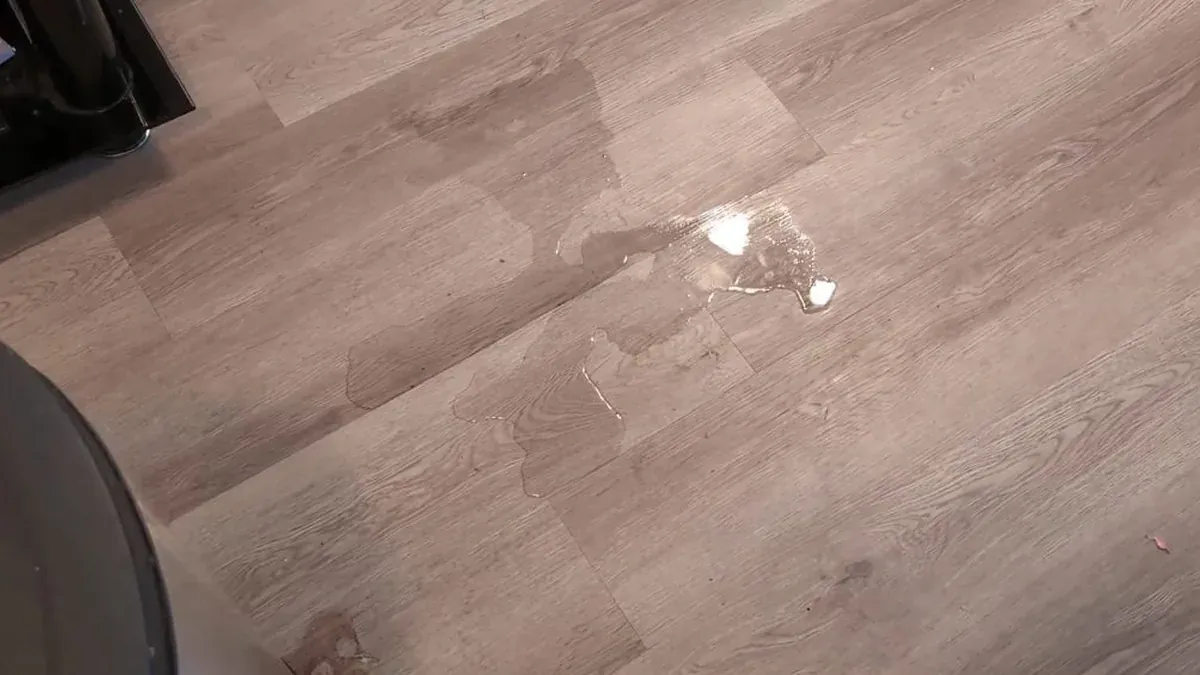
Water Damage Cleanup in Huachuca City: Standing Water, Wet Floors and Mold Risk After a Leak or Flood
Water that has soaked carpet, drywall and subfloor does not wait. Mold can begin in a day or two, and wet materials keep absorbing the longer they stay wet. Stop the water at its source, then call (520) 340-7175 or the water damage line below. The dispatcher passes along what you say to a plumber serving the address.
- Water removal and structural drying
- Burst pipe, sewage and flood cleanup
- Mold testing and removal
- Licensed and insured plumbers
- Same-day service when available
- 24/7 emergency dispatch
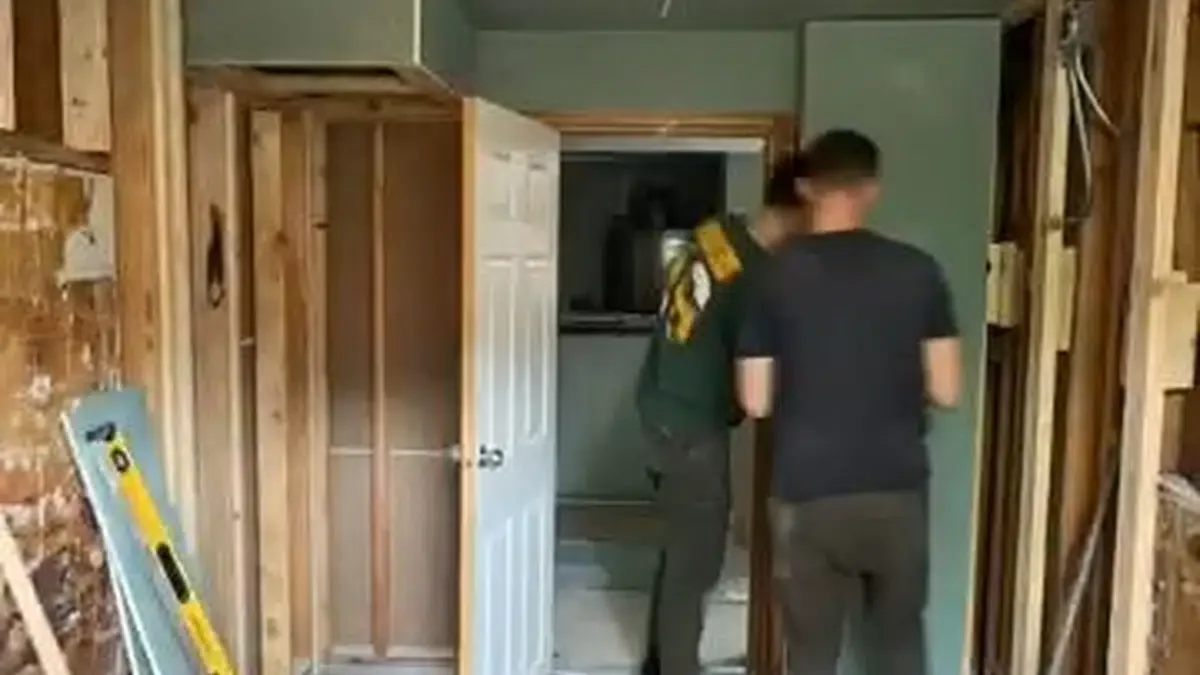
Water in the house: the first hour
Calls about cleanup, removal and drying can go straight to the water damage line. The main dispatch number above still handles emergencies and plumbing repairs.
- Stop the sourceClose the main shutoff or the valve to the leaking fixture. If the water is from outside, move belongings up.
- Cut power if it is safeSwitch off breakers to wet rooms only if the panel itself is dry and you can reach it safely.
- Move what you canLift rugs, electronics and books off wet floors. Do not move heavy furniture alone.
- Photograph everythingTake photos or video of the water, the damage and the source before anything is moved.
- Call for removal and dryingThe sooner water is extracted, the less material has to be removed later.
Water and live power together are a shock risk. Stay out of any flooded area where outlets, appliances or a panel are wet, and call for help.
How is standing water removed from a home?
Water extraction pulls standing water out of the building before drying begins. Pumps handle deeper water, and wet vacuums pull water from carpet, pad and hard floors. This is the fastest way to limit damage, and every hour counts.
Extraction is not drying. A floor can look dry after extraction while the pad, subfloor and wall bottoms still hold moisture. The next step, drying with air movers and dehumidifiers, takes those materials down to a safe moisture level.
Air movers push dry air across wet surfaces. Dehumidifiers pull moisture out of the air so it can keep absorbing more. Opening wall cavities at the base lets air reach wet insulation and studs. Equipment runs for several days, with moisture readings checked until the target is reached.
Flooded basements, crawl spaces and whole-house flooding
Water in a lower level or a crawl space settles and spreads. A basement flood can reach furnaces, water heaters and electrical panels. A crawl space flood hides under the house and shows up later as a musty smell or sagging floor.
Whole-house flooding from a failed supply line or a roof leak involves several rooms at once. The job starts at the lowest point and works up, because water drains downward and ceilings can hold it.
Storm, river and rain flooding is handled with the same removal and drying steps once the water is out of the building. Large outdoor flooding is a civic emergency, and public alerts take priority.
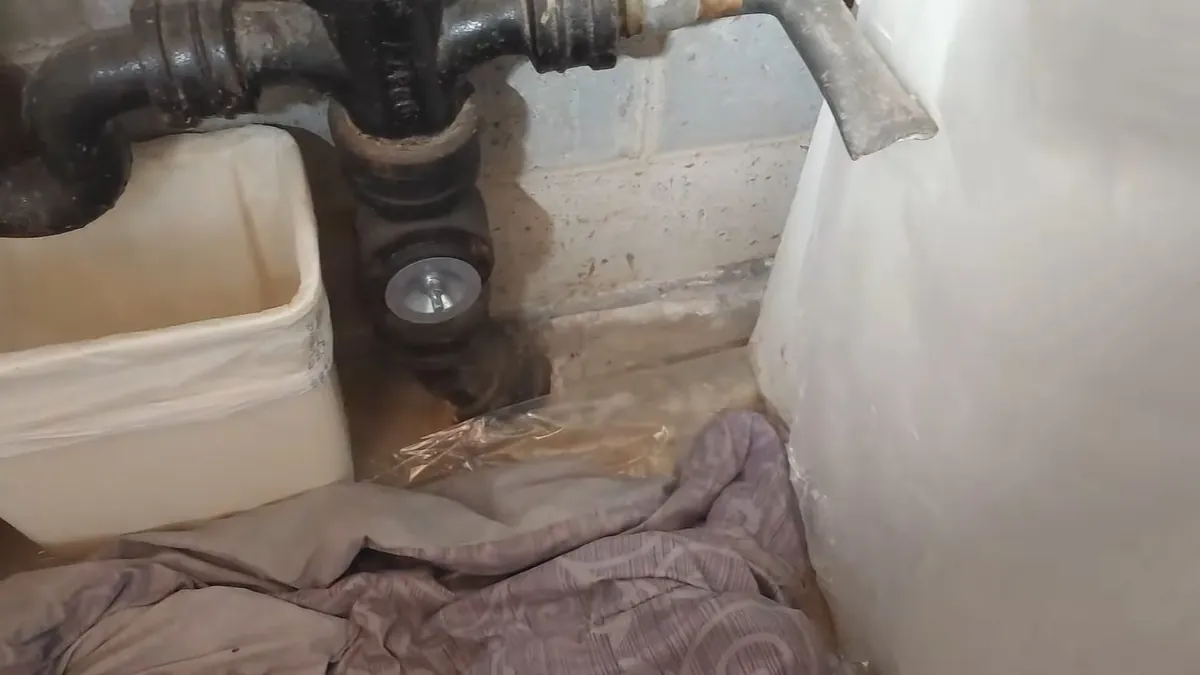
Water in the house? Call now.
Stop the source if you can, then call. Same-day service is offered when available.
Sewage backup cleanup: why it is not the same as clean water
Sewage carries bacteria and viruses. Anything it touches is treated as contaminated, and porous materials such as carpet, pad and drywall are usually removed instead of dried. Wear gloves and boots, keep children and pets away and do not use fans that spread the contamination.
Sewage cleanup removes the water, removes contaminated materials, cleans and disinfects the surfaces and dries what is left. Finding why the sewage came up comes first, since the cleanup is wasted if it happens again. The main sewer line service page explains that side, and drain clearing covers simpler backups.
Burst pipe and plumbing leak damage: stop it, then dry it
A burst supply line can release hundreds of gallons in an hour, and a slow leak inside a wall can soak insulation for weeks. The fix is two jobs: repair the pipe and dry the building. They should start together, with the plumber stopping the source first.
- A burst or frozen pipe is described on the pipe replacement page.
- A tank that has failed and flooded a closet is covered under water heater repairs.
- A broken line out in the yard is covered under water line service.
- A hidden leak behind a wall or under a floor starts with leak location.
- A slab leak that has soaked the floor is explained under slab leak detection and repair.
Leaks from roofs, ceilings, air conditioners and irrigation lines also cause water damage. The water is removed and the area dried the same way, and the source is repaired by the right trade. Sprinkler and irrigation repair belongs to another trade.
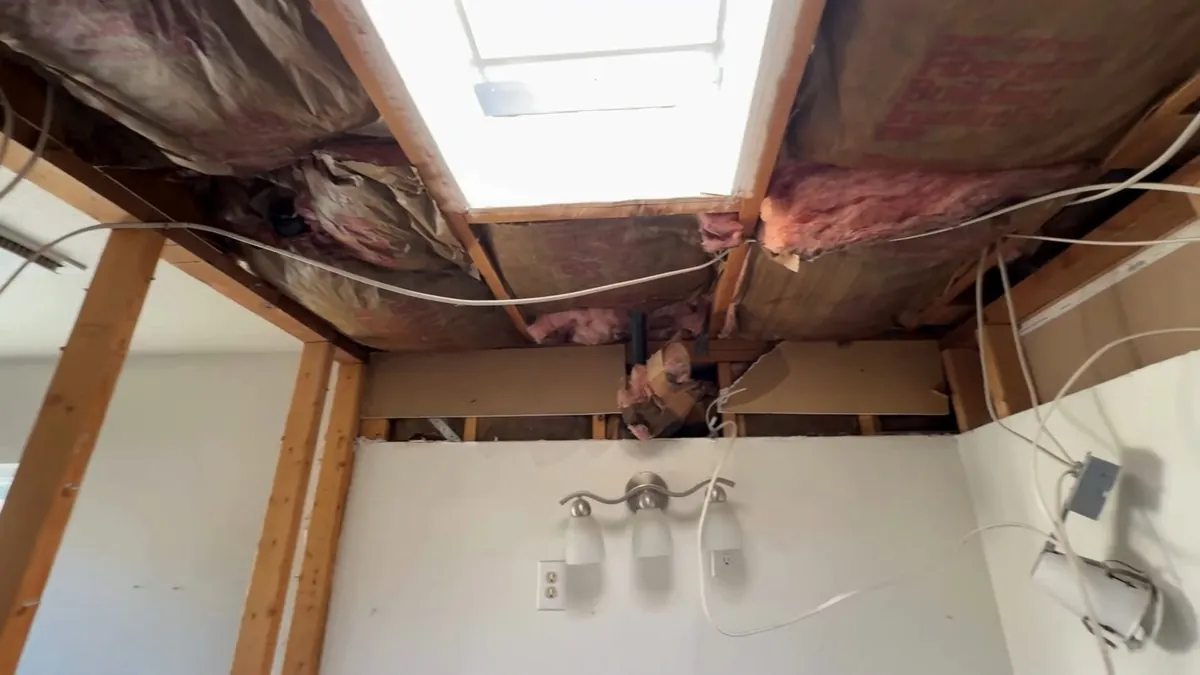
Where water damage starts, and what it spreads into
Water damage from burst pipes, leaky pipes and persistent leaks looks different in each room. A kitchen water damage repair often starts under the sink or behind the dishwasher. A bathroom water damage repair follows a tub, a shower or a toilet supply. A closet next to a water heater or an air handler can stay wet for weeks without anyone noticing.
- Hardwood floor water damage shows as cupping or crowning and needs slow, controlled drying.
- Leaks from an AC condensate line or a roof leak cause interior damage that stains ceilings and walls.
- An unattended home water damage event, where nobody was home, tends to be larger and often includes mold.
- Unpleasant odors after water damage point to wet materials still holding moisture.
- Damage appearing near walls, baseboards or cabinet bases usually means water is wicking upward.
Persistent and frequent leaks cause water damage slowly, and the response is the same: find the source, repair it and dry the building. A plumbing leak response comes first so the damage stops growing.
Clean, gray and black water: the type decides the plan
| Type | Typical source | What it means for materials |
|---|---|---|
| Clean | Supply line, tank or rain | Dry porous materials if treated quickly |
| Gray | Washer, dishwasher or sump overflow | Some materials can be saved, many are removed |
| Black | Sewage or floodwater | Porous materials are removed and surfaces disinfected |
The category of water, along with how long it has sat, decides the plan. Clean water that has stood for days changes category, so speed matters. Water damage mitigation coordination with your insurer means the extent of the water damage is documented before anything is thrown away, with photos, readings and a written scope.
Loss documentation, such as receipts, dated photos and reading logs, supports an insurance claim. Ask for copies of all of it at the end of the job.
Damage assessment and moisture mapping after a major loss
Assessment finds out how far water has traveled. Moisture meters read wood and drywall. Thermal cameras show cold, wet areas behind surfaces. The results are marked on a floor plan so drying equipment goes where it is needed.
| Tool | What it shows | Limit |
|---|---|---|
| Moisture meter | Wetness in wood, drywall and concrete | Reads only where it touches |
| Thermal camera | Cool, damp areas behind surfaces | Needs a temperature difference |
| Hygrometer | Humidity in the air | Does not locate hidden wet spots |
| Visual inspection | Staining, swelling and odor | Misses hidden damage |
For a large loss, the inspector also looks at framing, flooring, cabinets and insulation, writes down readings and keeps photos. Those records help with an insurance claim. Storing documents, receipts and a written scope with dates also helps later.
Pipe fixed and floors still wet? Call a plumber.
Tell the dispatcher what was repaired and what is still wet. The call goes to a plumber serving your area.
What happens on a water damage job, step by step
- Contact and safety checkThe source is stopped, hazards are identified and the scope of work is explained.
- Water removalStanding water is pumped or vacuumed out.
- Removal of what cannot be savedSoaked pad, ceiling tile or insulation is taken out and bagged.
- DryingAir movers and dehumidifiers run until readings reach the target.
- Cleaning and deodorizingSurfaces are cleaned, and odors are treated.
- Final readingsThe moisture is measured again and recorded before equipment is removed.
Carpet and flooring are decisions made during the job. Carpet that is clean-water wet can sometimes be lifted, dried and put back. Pad is usually replaced. Wood floors can cup if left wet, and laminate and vinyl may fail at the seams. Rebuilding walls, painting and installing new flooring are reconstruction, not part of this service.
Basement waterproofing and foundation inspection after repeated flooding are separate matters. If water keeps returning, ask a qualified professional about the cause. Smoke and soot cleanup is a different trade.
Mold testing, inspection and assessment
Mold can follow any wet event that stays wet for more than a day or two. Signs are a musty smell, dark or fuzzy patches, peeling paint and a recurring health complaint indoors. Not every dark stain is mold, and not every mold problem is visible.
Testing starts with an inspection. An inspector looks for moisture sources, checks hidden areas with a meter and may take air or surface samples. A lab report names what was found, and the results guide what comes next. Testing after drying is complete confirms that conditions are back to normal.
Credentials and rules for mold work vary, and a state license requirement could not be confirmed from an official source. Ask any mold company for its credentials and a written scope, and ask the Arizona Registrar of Contractors what applies before hiring.
Mold remediation and removal
Remediation removes mold and fixes the moisture that fed it. Small areas on hard surfaces can be cleaned. Larger growth on drywall, insulation or carpet is removed by cutting out and bagging the material, with the area sealed off so spores do not spread.
- The moisture source is repaired first, or the mold returns.
- The work area is contained and kept under negative pressure when needed.
- Affected porous materials are bagged and removed.
- Surfaces are cleaned, dried and checked again.
Mold risk is higher in a sealed, wet room than in a dry one. Keeping humidity down and drying quickly after any leak is the most effective step. For condo, apartment and commercial properties, report water to the building manager at once, and see commercial plumbing if a business is involved.
For removal, drying or mold questions after a leak or flood, use the water damage line. Have photos and the time the water started ready.
Water damage questions answered right away
Call (520) 340-7175How fast does mold start after a leak?
Mold can start within one to two days in damp materials, which is why drying begins quickly. The exact timing depends on temperature, humidity and what is wet.
Should I call my insurance company before or after the cleanup starts?
Do now: stop the water, take photos and video and call your insurer to open a claim. Many policies expect reasonable steps to limit further damage.
Can wait: repairs that need approval, such as rebuilding. Keep receipts, the drying records and any inspection reports.
Can wet carpet be saved?
Carpet wet with clean water can often be dried if it is treated quickly. The pad under it is usually replaced.
Carpet wet with sewage or long-standing water is normally removed. A moisture reading shows whether the subfloor is dry.
Flood, leak or sewage in the house? Call now.
Describe what happened and the dispatcher routes the call to a plumber serving your area. For cleanup, removal and drying, the water damage line is listed above.
- Licensed and insured plumbers
- Same-day service when available
- 24/7 emergency dispatch